
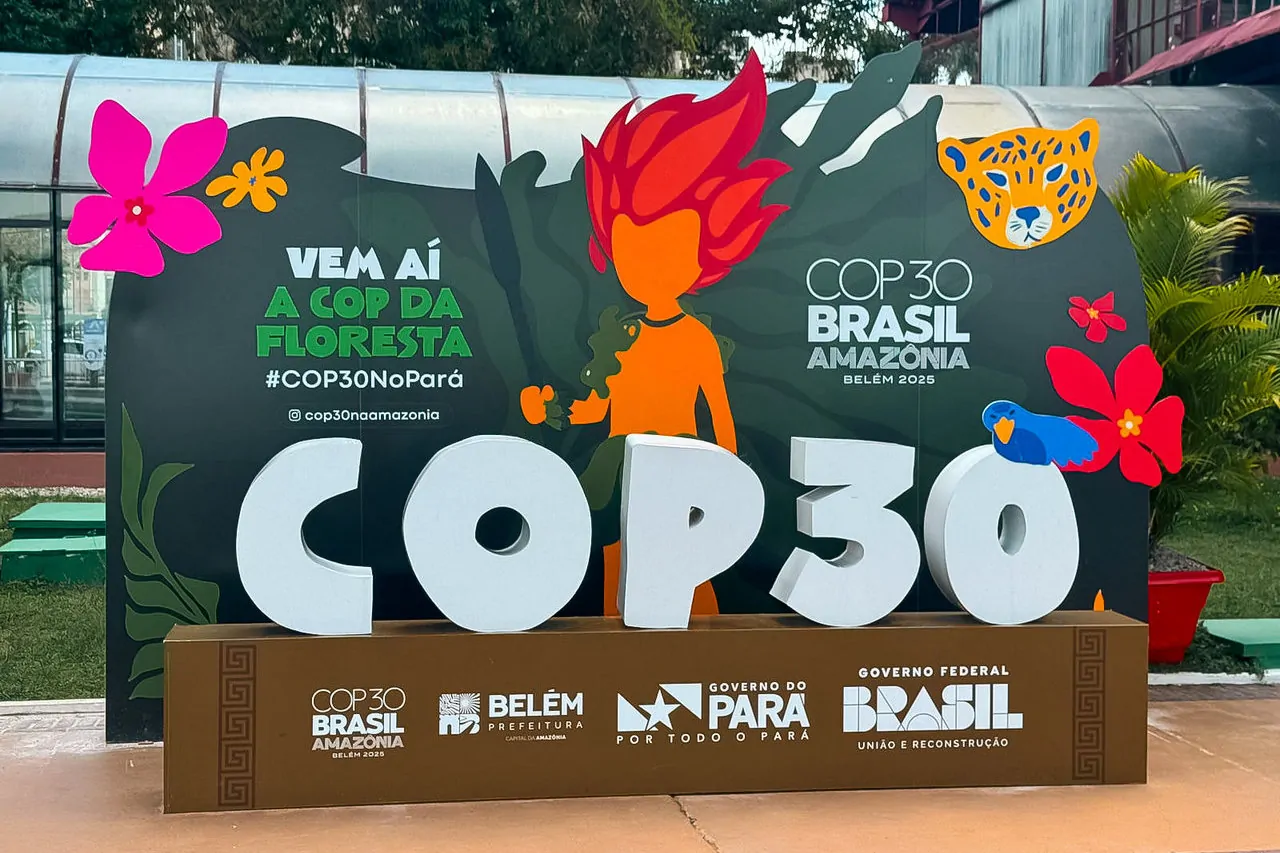
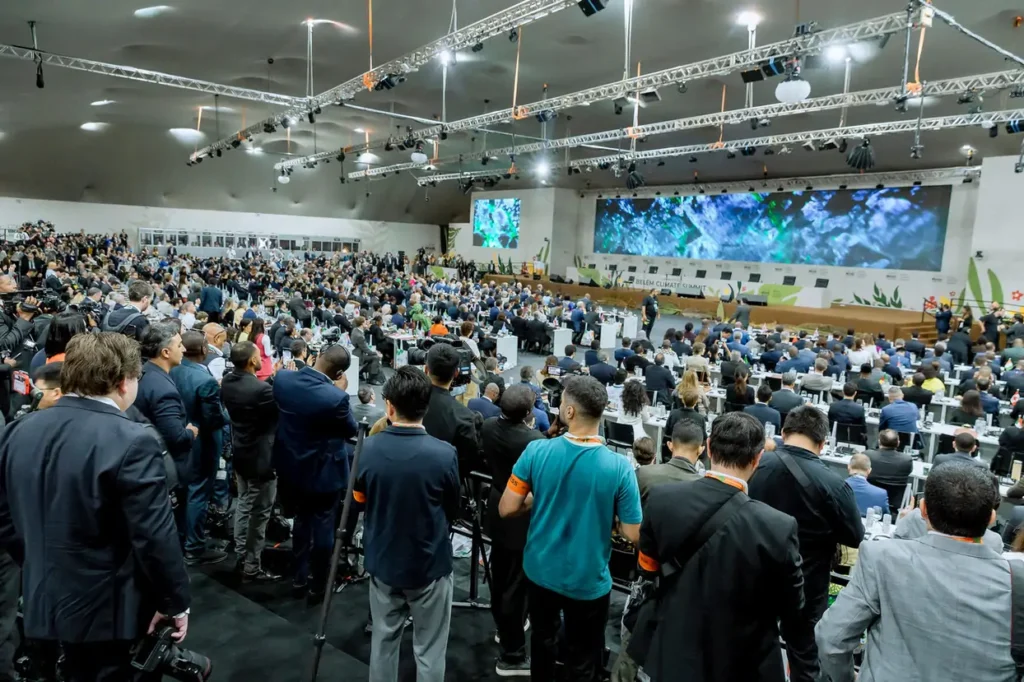
The atmosphere at COP30 in Belém, Brazil, was charged with expectations, tension, and emotion. Record attendance, protests by Indigenous communities, a brief evacuation due to a small fire, and intense debates over fossil fuels created a backdrop rarely seen at climate negotiations. Yet behind all the drama lies a simple question: did COP30 move the world any closer to real climate solutions, or did it merely confirm that global ambition still falls short of what the crisis demands? This article provides a clear, reader-friendly overview of the most important COP30 outcomes.
Atmosphere of COP30: Tension, Protests, and Unprecedented Global Attention
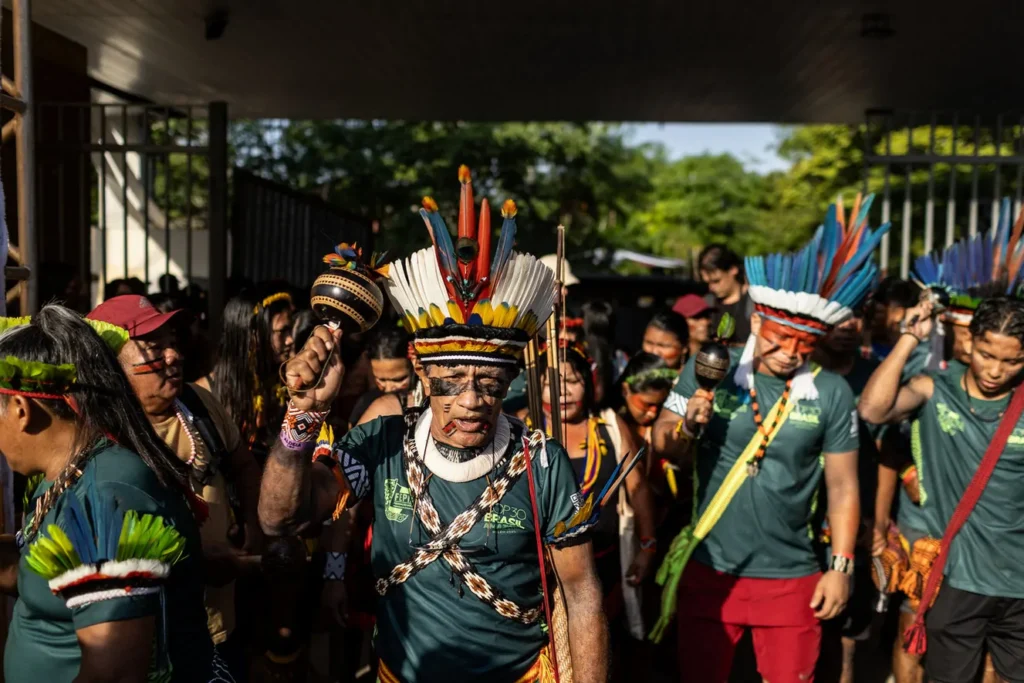
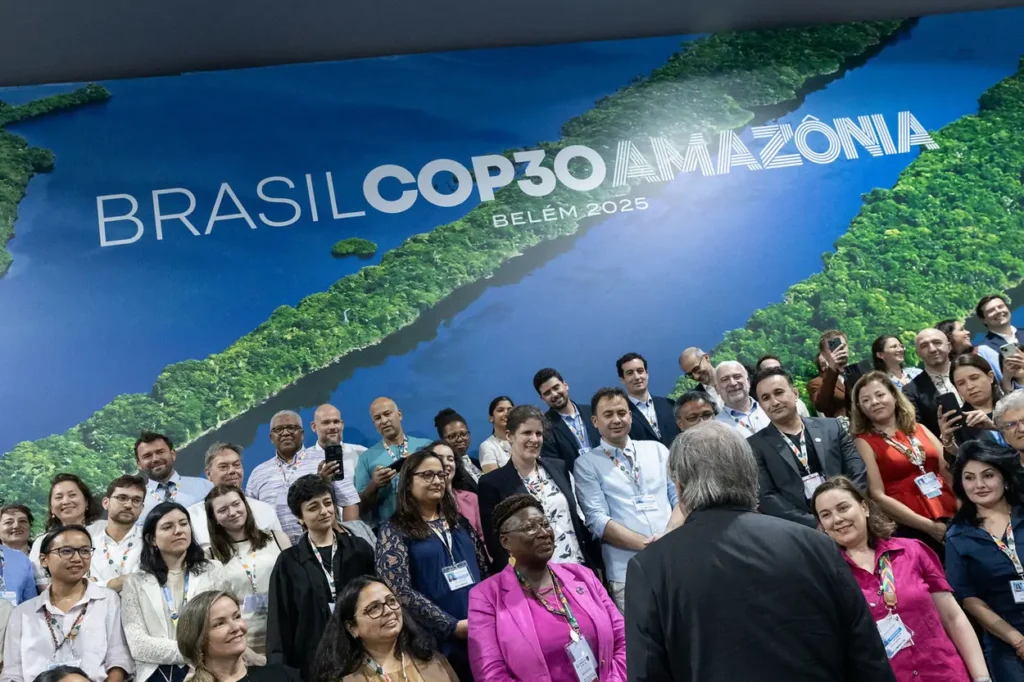
The COP30 climate summit took place in November 2025 in the heart of the Brazilian Amazon, in the city of Belém — a long-standing symbol of the friction between environmental protection and economic interests. The conference turned dynamic from the very first days: according to reports, the event saw protests by Indigenous communities, the evacuation of one pavilion due to a small fire, and significant pressure on negotiators during key discussions (Reuters , The Guardian).
Global media interest was shaped not only by dramatic moments but also by the fact that the summit occurred at a time when the UN repeatedly warns about accelerating global temperature trends and the urgency of adaptation. Ahead of the conference, UNFCCC released several briefings stressing the need to strengthen climate commitments, raising expectations for the negotiations.
From the outset, it was clear that COP30 would not be just about technical documents, but about whether scientific recommendations could be aligned with political realities — and whether the world could bridge the persistent tensions between wealthy countries, developing nations, and fossil-fuel-producing states.
Key COP30 Outcomes: What Was Agreed — and What Ultimately Failed
COP30 resulted in a series of compromises that many analysts see as highlighting the limits of today’s climate diplomacy more than marking a turning point in global climate action. Proposals calling for a clear pathway toward phasing out fossil fuels were raised during negotiations, but according to Carbon Brief, the final text did not include this language. Instead, the outcome contains a set of voluntary “roadmaps” that countries are expected to develop individually rather than a unified mandatory framework for all parties.
Adaptation also received considerable attention, particularly for developing and climate-vulnerable countries. According to Reuters, nations acknowledged the need to significantly scale up adaptation finance by 2035 in response to increasingly frequent extreme weather events. However, no concrete financial minimums or mechanisms were established to ensure accountable and timely delivery. As a result, this remains more a statement of intent than a firm commitment with a clear timeline.
Biodiversity and Indigenous rights also surfaced prominently at COP30, but without major new commitments. As noted by Le Monde, the final text reaffirms the importance of multilateralism but largely overlooks the urgency of the ecological crisis. Discussions did not translate into concrete goals for ecosystem protection or binding financing mechanisms.
Despite these weaknesses, experts acknowledge that COP30 delivered some technical progress — particularly in planning frameworks, financial transparency, and just transition principles. Examples include the approval of a tropical forests fund with multi-billion-dollar pledges and strengthened recognition of Indigenous rights. Still, these elements remain preparatory steps. Their real impact will depend on how governments turn them into actionable policies once they return home.
Voices of Authority: What Leaders, Analysts, and Environmental Organizations Are Saying
Reactions from global authorities after COP30 reveal widespread concern about the pace of climate action. UN Secretary-General António Guterres called the failure to stay on track for the 1.5 °C limit a “moral failure,” urging governments to reassess their commitments and respond proportionately to the scale of the crisis (The Guardian).
Analytical institutions such as the World Resources Institute and the International Institute for Sustainable Development expressed similar views, describing COP30 as a summit that made certain technical adjustments — mainly in planning, finance, and emerging frameworks — but failed to deliver meaningful binding measures. WRI emphasizes that without substantially strengthened national climate plans, the outcomes of COP30 remain “insufficient to shift the emissions trajectory” (WRI), while IISD notes that the agreement does not provide a clear pathway away from fossil fuels and remains politically weak in key areas (IISD).
Climate Action Tracker also highlighted the need for stronger ambition. In its COP30 assessment, CAT warns that current global commitments still do not align with the 1.5 °C pathway. According to the report, the world remains “far off track” from meeting the Paris Agreement goals.
Critical responses also came from the scientific community and environmental organizations. Researchers from Imperial College London described the outcome of COP30 as “deeply disappointing” given the severity of the climate and ecological crises (Imperial College). Similarly, Greenpeace International pointed to the absence of a binding fossil fuel phase-out and insufficient progress on biodiversity protection, leaving countries without clear direction for the coming years (Greenpeace).
Despite prevailing criticism, some cautiously positive reactions emerged. Several organizations highlighted that COP30 introduced elements with potential long-term impact — particularly the launch of the Tropical Forests Forever Facility (TFFF), which, if implemented effectively, could shift the economics of deforestation toward protecting tropical forests and the communities who depend on them (WRI, Greenpeace). Still, this remains a possibility, not an achievement: the true significance of COP30 will depend on whether the pledges, declarations, and frameworks presented at the summit translate into real implementation in the coming years.
COP30 in Balance: What the Summit Achieved — and What It Failed to Deliver
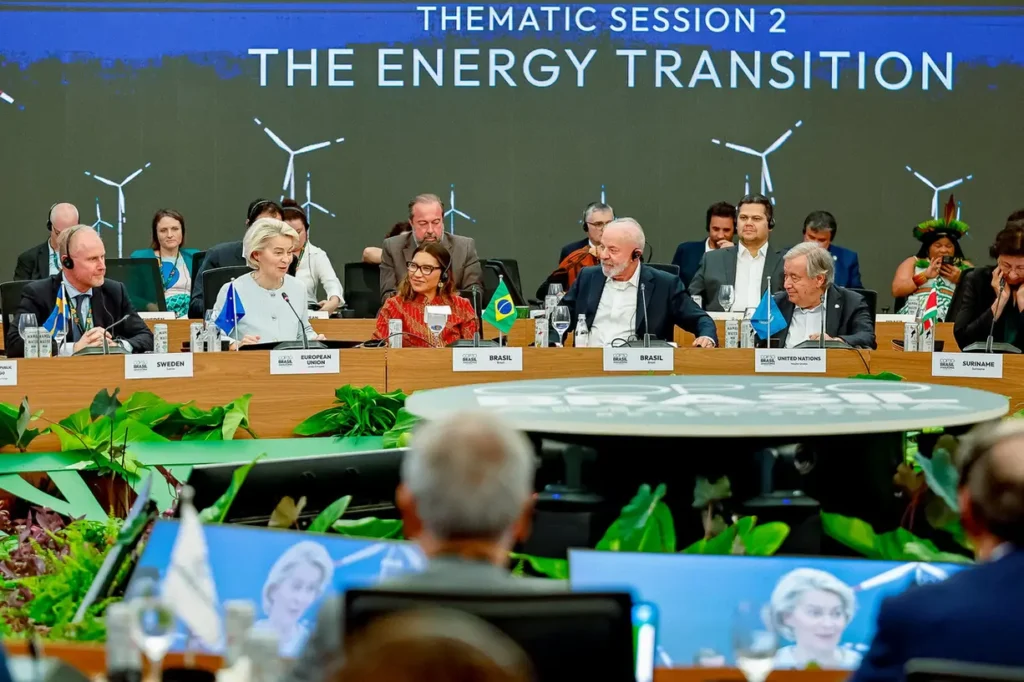
COP30 in Belém brought forward several decisions and initiatives that signal some progress in the technical and political groundwork for climate solutions. At the same time, it exposed the limits of today’s international climate diplomacy, especially regarding binding action and the ambition required to meet the Paris goals.
Among the positive aspects were advances that may improve transparency and strategic planning in the coming years. Countries agreed on strengthening frameworks for adaptation, just transition, and loss-and-damage responses. As reflected in COP30 discussions, the growing emphasis on tropical forests and mechanisms such as the Tropical Forests Forever Facility suggests potential for better alignment between climate and ecological goals. These elements may form an important foundation for future negotiations if governments commit to meaningful implementation.
On the other hand, COP30 failed to secure essential commitments. Proposals for a structured transition away from fossil fuels did not make it into the final agreement and remained only as voluntary documents that governments are expected to develop individually. In adaptation finance, concrete numbers and mechanisms to ensure timely delivery are still missing — replaced by a political declaration to significantly increase support by 2035. Weak ambition on biodiversity protection and Indigenous rights, along with cautious language in key areas, triggered criticism from experts, researchers, and environmental groups.
Overall, COP30 feels like a mix of technical groundwork and missed opportunities. The summit confirmed that the accelerating climate crisis requires far stronger measures than those achieved in Belém, but it also highlighted areas where progress may emerge if countries choose to turn stated intentions into real policy. COP30 did not deliver a breakthrough, but it set the stage for the debates that will shape global climate action in the coming years.
Conclusion: Why COP30 Still Matters Despite Its Mixed Results
The COP30 outcomes did not rewrite global climate policy, but it clearly demonstrated that the conversation is moving forward and that pressure for stronger ambition continues to grow. Belém will stand as a reminder that climate summits are not only about specific decisions but also about the broader direction they set — and that direction will be crucial in the years ahead.
The climate crisis requires a faster pace of action and closer scrutiny of what countries promise compared to what they actually deliver. That is why it is important to follow developments not only during COP summits but also between them. The more we understand the trends, pressures, and gaps, the better equipped we are to distinguish real progress from symbolic commitments.
If you want to stay informed about the most important environmental developments — including analyses, summaries, and practical guides — you can follow our EcoCompass blog and subscribe to upcoming articles. We look forward to accompanying you on topics that shape the future of our planet.