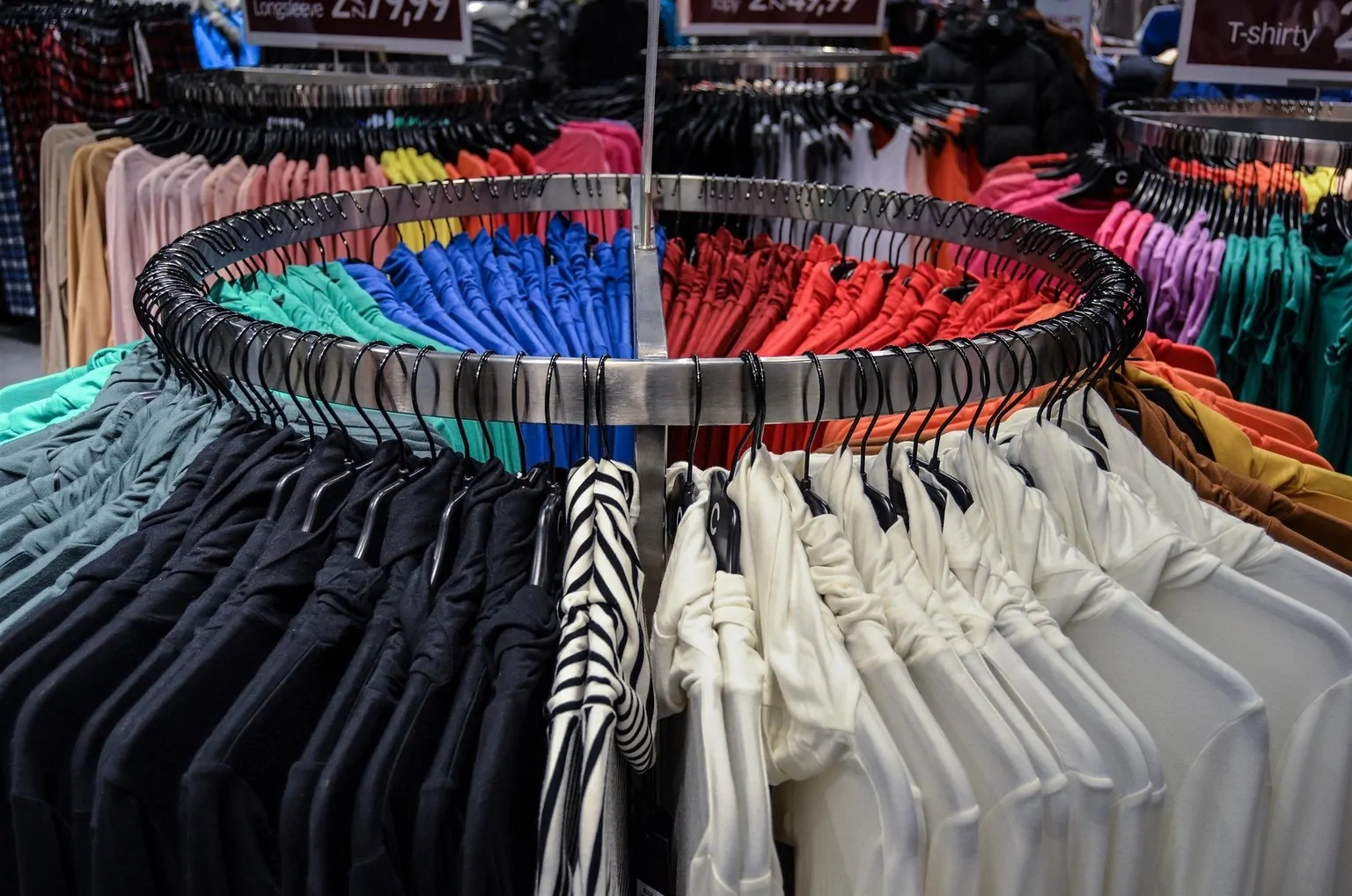
Fashion is an expression of personality — but also a decision with real consequences. Every piece of clothing we bring home carries its own story: from the raw materials and production process to where it eventually ends up. That’s why the term sustainable fashion is gaining more and more importance — it shows that style and responsibility don’t have to be mutually exclusive. At a time when trends change faster than the seasons, it’s worth slowing down to see how our wardrobe can have both style and conscience.
The Hidden Cost of Fast Fashion
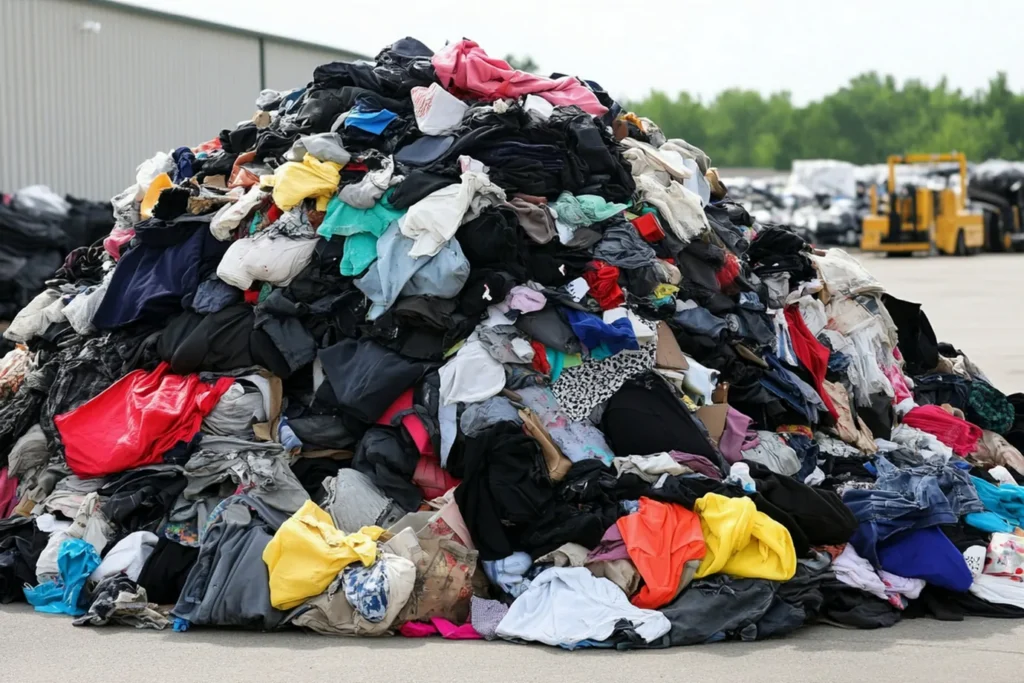
Fast fashion has become one of the biggest environmental challenges of our time. Every year, over 100 billion garments are produced globally (UniformMarket), and most end up in landfills after just a few wears. It’s estimated that around 92 million tons of textile waste are generated annually (UN Environment Programme, Bussines Waste).
The fashion and textile sector accounts for about 2–8% of global greenhouse gas emissions (UN Environment Programme, 2024), with some estimates going as high as 10% (Earth.org).
Beyond its carbon footprint, clothing production requires enormous amounts of water — approximately 2,700 liters for a single cotton T-shirt (WWF, diva-portal.org).
Another issue is the use of chemicals and synthetic materials. Most clothing today contains polyester or nylon made from fossil fuels. Every wash releases tiny fibers — microplastics — that end up in rivers and oceans. Textile fibers are estimated to make up 16–35% of all microplastics in the ocean (EEA).
The industry also has serious social and health implications. Many garments are made in countries where workers face low wages, long hours, and poor safety conditions. Exposure to dye fumes, heavy metals, and aniline-based dyes often leads to severe health problems (CDC, The Guardian, 2025).
Add to that the constant pressure to lower prices, the excessive production, and the growing volume of waste — and the picture becomes clear: the fashion industry needs change.
If you’ve already read our article Quick Tips for Sustainable Shopping which explores whether we really need to buy new clothes, this post focuses on the next step — how to make conscious choices once we decide to purchase something.
What Makes Fashion Sustainable – Understanding Textile Certifications

Sustainable fashion isn’t just about what our clothes are made of — it’s also about how and where they’re produced.
There are countless labels claiming to be eco-friendly, ethical, or low-carbon, but not all of them mean the same thing. That’s why it’s important to understand what each certification in the fashion industry actually guarantees — and what’s just marketing.
This is well illustrated by the findings of the review study Ecolabelling in Textile Industry: A Review, published in the journal Environmental and Sustainability Indicators. It found that most labeling systems focus primarily on environmental aspects — such as reducing chemical use and water consumption — but less often on social impacts and real-world outcomes. The authors emphasize the need for unified criteria, better oversight, and greater transparency to avoid greenwashing and ensure that certifications truly contribute to sustainable development in the textile sector.
Let’s look at some of the most recognized certification systems:
GOTS – Global Organic Textile Standard
GOTS (Global Organic Textile Standard) is a global certification system for organic textiles established in 2006 through the collaboration of four international organizations: OTA (USA), IVN (Germany), Soil Association (UK), and JOCA (Japan). It is managed by the non-profit organization Global Standard gGmbH.
Source: https://global-standard.org/the-standard/introduction.html
The certification covers the entire production process — from growing raw fibers to processing and packaging the final product.
It sets strict environmental requirements, banning genetically modified materials, toxic dyes, formaldehyde, heavy metals, and PVC.
It also requires safe wastewater treatment and responsible energy use, along with social criteria based on the core conventions of the International Labour Organization (ILO), including fair wages and safe working conditions.
Source: https://global-standard.org/the-standard/gots-key-features/ecological-and-social-criteria
Products bearing the GOTS label must contain at least 70% certified organic fibers (“made with organic”) or 95% for full “organic” certification.
For consumers, this means the textiles meet verifiable environmental and social standards — not just marketing claims.
Source: https://global-standard.org/the-standard/gots-quality-assurance-system.html
OEKO-TEX® STANDARD 100
OEKO-TEX® STANDARD 100 is a globally recognized certification for textiles tested for harmful substances.
Founded in 1992 as a joint initiative of European research institutes focused on textile safety, it is now managed by the international OEKO-TEX® Association, which includes laboratories and certification bodies in Europe and Asia.
Source: https://www.oeko-tex.com/en/our-standards/oeko-tex-standard-100
The certification ensures that all components of a product — fabrics, threads, buttons, zippers, and prints — contain no more than the permitted levels of harmful substances.
More than 1,000 chemicals are tested, including pesticides, heavy metals, formaldehyde, and volatile organic compounds. The limits are often stricter than legal requirements in the EU.
Source: https://www.oeko-tex.com/en/standards/oeko-tex-standard-100/oeko-tex-standard-100-criteria
For consumers, the OEKO-TEX® STANDARD 100 label means that a textile product is safe for direct contact with skin.
However, it focuses only on testing the final product and does not assess the environmental impact of production.
This gap is partly addressed by the extended system OEKO-TEX® STeP (Sustainable Textile Production), which also includes environmental and social criteria for factories.
Source: https://www.oeko-tex.com/en/our-standards/oeko-tex-step
Fair Wear Foundation
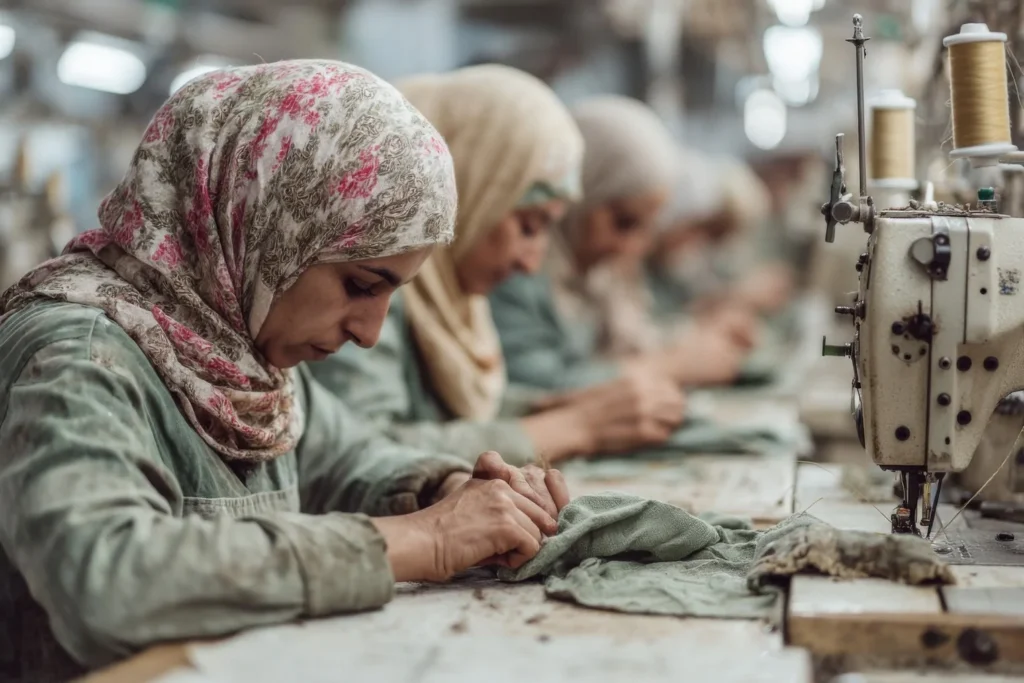
The Fair Wear Foundation (FWF) is a non-profit organization founded in 1999 in the Netherlands to improve working conditions in the textile and fashion industry.
It brings together over 140 fashion brands committed to ethical practices and regular supplier audits.
Unlike most environmental certifications, Fair Wear focuses primarily on social and labor aspects rather than ecological criteria.
Source: https://www.fairwear.org/about-us
Members must adhere to the Code of Labour Practices, which is based on the conventions of the International Labour Organization (ILO) and includes principles such as:
- freedom of association,
- fair wages,
- safe working conditions,
- reasonable working hours,
- prohibition of child labor and forced labor.
The foundation conducts independent factory audits and publishes the results in publicly available Brand Performance Check reports.
Source: https://www.fairwear.org/programmes/labour-standards
Membership in Fair Wear helps consumers identify brands that actively work to improve workers’ conditions throughout their supply chains.
While it does not guarantee the ecological origin of materials, it offers a transparent and credible framework for evaluating social responsibility.
Bluesign®
Bluesign® is an international certification system that evaluates the safety and sustainability of the entire textile production process — from raw materials to the finished product.
Founded in Switzerland in 2000, it emerged as a response to growing concerns over chemical pollution in textile manufacturing.
Unlike most certifications, Bluesign focuses on the entire supply chain, including dye, chemical, and fabric producers as well as fashion brands.
Source: https://www.bluesign.com/en/about
Bluesign sets strict standards for chemical management, energy use, water consumption, and emissions throughout production.
Participants must demonstrate that they minimize hazardous substances, use resources efficiently, and ensure safe working environments.
The Bluesign Restricted Substances List (RSL) is one of the most detailed in the industry.
This certification guarantees that textiles are produced in a way that protects both the environment and workers’ health.
Source: https://www.bluesign.com/en/business/our-system
For consumers, the Bluesign label means the clothing was made through a controlled and environmentally responsible process.
It is used by leading global brands such as Patagonia, The North Face, Adidas, Nike, and Mammut — all committed to reducing their environmental footprint.
Source: https://www.bluesign.com/en/partners/brands
Other Key Textile Certifications – Textile Exchange Standards
In addition to these global systems, there is a group of certifications that focus on the origin, recycling, and ethical sourcing of specific materials.
These are managed by the organization Textile Exchange, one of the most influential players in sustainable textile certification.
Their standards cover a wide range of materials — from wool and down to recycled fibers and plant-based crops.
Official Textile Exchange standards include:
- RDS (Responsible Down Standard) – ensures the ethical sourcing of down and feathers, banning live plucking and force-feeding.
- RWS (Responsible Wool Standard) – promotes humane sheep farming and environmentally responsible land management.
- GRS (Global Recycled Standard) – verifies the origin of recycled materials (textiles, plastics, fibers) and monitors chemical use and social responsibility.
- CCS (Content Claim Standard) – provides a tracking system for the proportion of certified materials in the final product.
- OCS (Organic Content Standard) – confirms the presence of organically grown materials (such as cotton or flax) in the product.
- RCS (Recycled Claim Standard) – certifies that a product contains a minimum percentage of recycled content (at least 5%) and allows traceability throughout the supply chain.
These certifications are often combined with other systems — such as GOTS, OEKO-TEX®, or Fair Wear — to create a more complete picture of environmental and ethical responsibility.
Source: https://textileexchange.org/standards/
Certifications are valuable tools that help consumers navigate the flood of sustainability claims in fashion.
The labels themselves aren’t the goal but rather a guide for making better-informed decisions — showing when there’s real commitment behind the product, not just marketing.
Now that we know which certifications truly matter, let’s see how to apply this knowledge when choosing what to wear.
How to Choose Clothes Sustainably
Once we understand certifications and what each logo stands for, the next step is the most practical one — deciding what to buy.
Sustainable fashion isn’t about perfection or buying only “eco” brands, but about making thoughtful choices that consider the full life cycle of each garment — from materials to how long we keep it in use.
Check the Origin and Composition
Start by knowing what your clothes are made of.
Natural materials such as organic cotton, hemp, linen, Tencel™, or Lyocell generally have a lower environmental impact than petroleum-based fibers like polyester or nylon.
If choosing synthetics, look for recycled polyester or garments with a GRS (Global Recycled Standard) certification, which ensures the recycled origin of materials.
Look for Certifications on Labels
Certifications are the most reliable way to confirm that a brand follows environmental and ethical standards.
If you see GOTS, OEKO-TEX®, Fair Wear Foundation, or Bluesign® labels, you can trust that the product has undergone independent verification.
Some brands even include license numbers that can be checked directly on certification websites — a simple way to avoid false claims.
Choose Quality Over Quantity
The most sustainable piece of clothing is the one that lasts.
Cheap garments often lose shape and color after just a few washes, quickly becoming part of the growing mountain of textile waste.
Opt for well-made clothes from durable materials, solid stitching, and timeless designs.
Even if the initial cost is higher, the overall impact — and long-term cost per wear — is much lower.
Source: https://unep.org/technical-highlight/sustainable-fashion-take-centre-stage-zero-waste-day
Consider the Brand’s Transparency
Brands that openly share information about their suppliers, working conditions, and materials tend to be more trustworthy.
Transparency is one of the best indicators of genuine sustainability.
If a brand refuses to disclose where and by whom its clothes are made, that’s a red flag.
Resources like Good On You or the Fashion Transparency Index help evaluate brands based on their openness and ethical performance.
Source: https://goodonyou.eco/
Beware of Greenwashing
Many brands use terms like “eco,” “conscious,” or “sustainable” without substance behind them.
If claims aren’t backed by verifiable data or certifications, they’re likely just marketing.
Truly responsible companies publish measurable data — such as the percentage of recycled fibers, certified materials, or specific carbon-reduction goals.
Buy Less, Choose Better
Sustainable fashion is about balance, not perfection.
Reducing overconsumption and choosing high-quality, long-lasting pieces has a far greater effect than any single certification.
As UNEP reminds us, “the most sustainable clothing is the one you already own.”
Source: https://www.unep.org/news-and-stories/story/putting-brakes-fast-fashion
A Step Toward Smarter Fashion
Sustainable fashion isn’t about perfection or radical changes to your wardrobe.
It’s about conscious choices — whether it’s selecting better materials, supporting ethical brands, or simply deciding not to buy something new.
Each of these decisions moves the fashion industry a step closer to balance between style, ethics, and respect for the planet.
When sustainability becomes a natural part of our personal style, fashion stops being part of the problem — and becomes part of the solution.
If you enjoyed this topic, follow EcoCompass for more verified insights, practical guides, and stories that prove even small choices can make a big difference.