
The year 2025 will be remembered as a milestone in the history of UNESCO biosphere reserves 2025. During the 37th session of the International Coordinating Council of UNESCO’s “Man and the Biosphere” (MAB ICC) Programme, held in Hangzhou, China, from September 26 to 28, 2025, UNESCO announced the designation of 26 new biosphere reserves across 21 countries — the largest increase in the past two decades. This demonstrates that biodiversity conservation and sustainable development are gaining stronger global support than ever before.
Why Biosphere Reserves Matter
UNESCO’s September announcement in Hangzhou brought 26 new reserves in 21 countries into the network. With this expansion, UNESCO’s network now includes 784 biosphere reserves in 142 countries, collectively covering about 5% of the Earth’s surface. It represents the largest annual increase since the beginning of the 21st century — a clear signal that nations are responding to the climate and biodiversity crisis not only with declarations but with concrete action.
(Source: UNESCO, AP News)
Biosphere reserves are at the core of UNESCO’s “Man and the Biosphere” (MAB) Programme. Their goal is to protect unique natural areas while seeking ways for people to live in harmony with nature. Unlike strictly protected areas, biosphere reserves emphasize balance between ecosystems and economic activities — from traditional agriculture to ecotourism.
As António Abreu, Head of UNESCO’s Biosphere Reserve Programme, aptly summarized:
“The concept of biosphere reserves is that biodiversity conservation is a pillar of socioeconomic development.” (Source: AP News)
Designation as a biosphere reserve brings not only prestige but also tangible results. Let’s take one example:
Switzerland – Entlebuch Biosphere Reserve
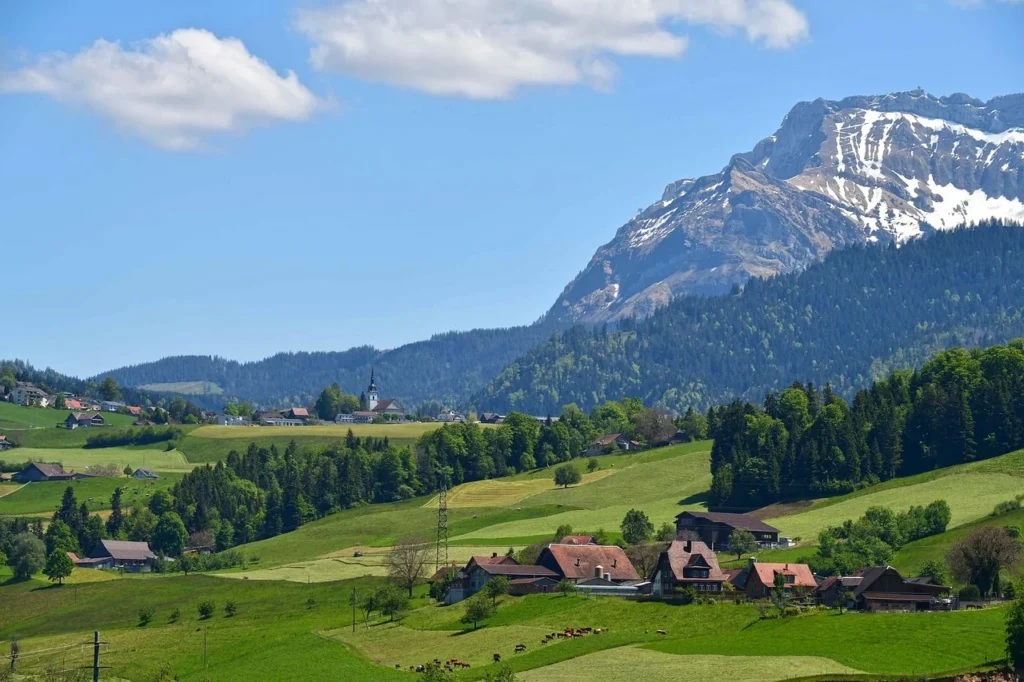
The Entlebuch Biosphere Reserve in Switzerland is often cited as a successful example of linking nature conservation with the regional economy. According to a study published in Mountain Research and Development (Knaus & Wäger, 2017), regional products labeled with the reserve’s logo generated a gross added value of approximately USD 5.8 million in 2014. This economic benefit supports a model in which environmental protection is not an obstacle to development, but its driving force.
(Source: BioOne.org)
New Biosphere Reserves in 2025 – Complete Overview
Among the newly designated biosphere reserves of 2025, we find a diverse range of environments and cultures. Here are a few examples:
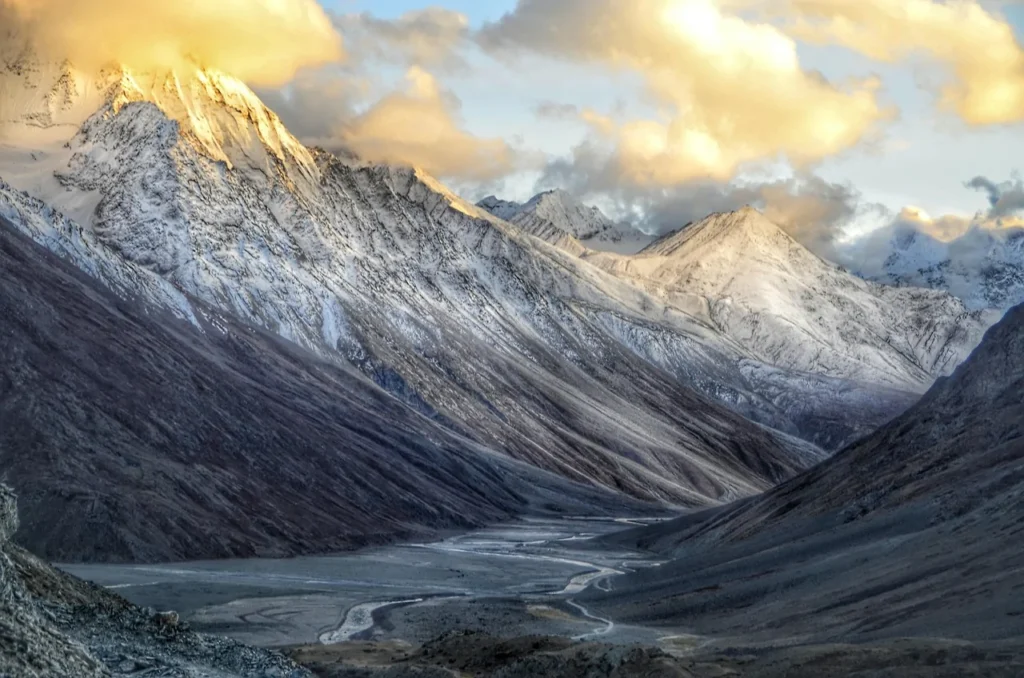
In the Himalayas lies Spiti Valley in India — the first “cold desert” included in UNESCO’s network, where Tibetan culture meets traditional farming systems.
(Source: The Times of India)
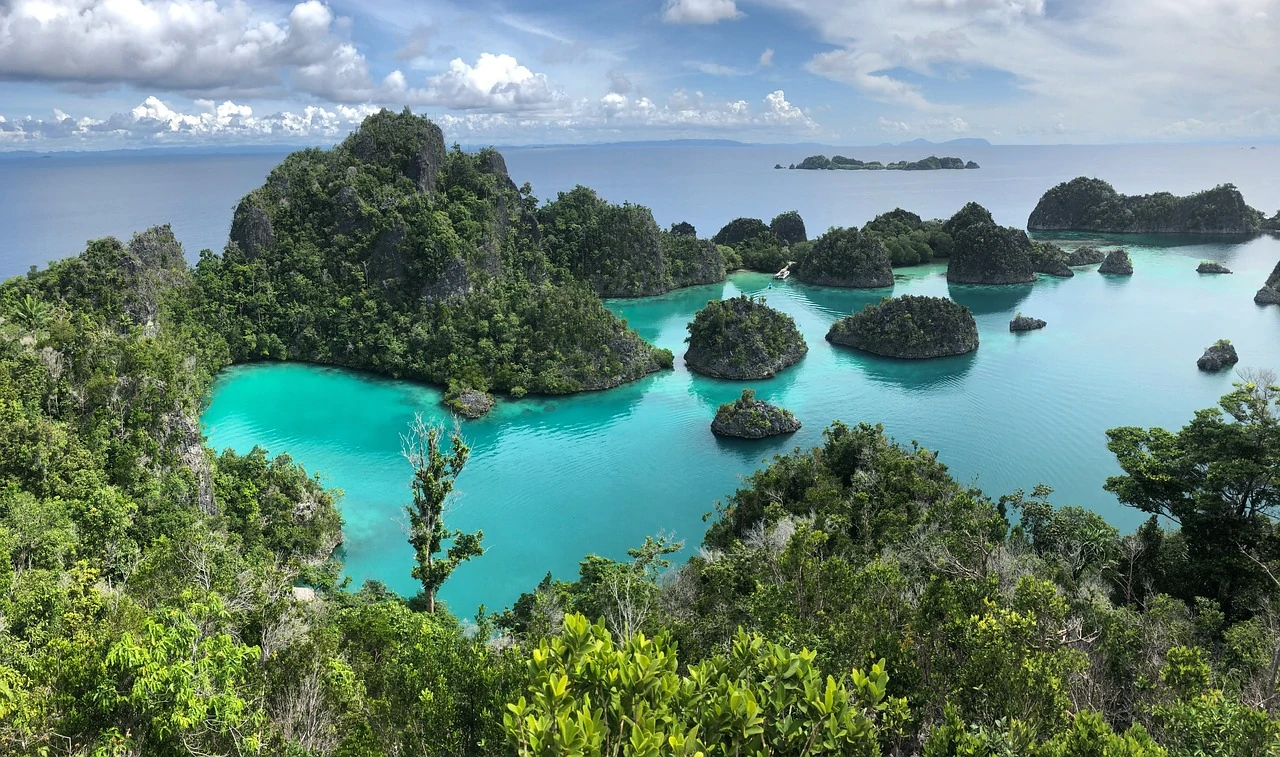
On the opposite side of the planet, Raja Ampat Archipelago in Indonesia is home to more than 1,500 species of fish and represents one of the richest coral reef systems in the world.
In Africa, Quiçama in Angola has become a refuge for endangered species including elephants and sea turtles.
(Source: ABC News / Associated Press, Sept. 25, 2025)
Together, these locations demonstrate that UNESCO biosphere reserves are not only about conserving biodiversity — they are also about finding balance between people and nature.
Here you can find the Complete List of New Biosphere Reserves
(Source: UNESCO, Sept. 25, 2025)
Africa
- Quiçama (Angola)
- Archipel des Sept Frères – Ras Siyyan – Khor Angar – Godoria (Djibouti)
- Isla de Bioko (Equatorial Guinea)
- Anywaa Forest (Ethiopia)
- Mantadia (Madagascar)
- Tsimembo (Madagascar)
- Ilha de São Tomé (São Tomé and Príncipe)
Arab States
- Ajloun (Jordan)
- Yarmouk (Jordan)
- Al Jabal Al Akhdar (Oman)
- Sirrin (Oman)
- Imam Turki Bin Abdullah (Saudi Arabia)
Asia and the Pacific
- Daqingshan (China)
- Zhouzhi (China)
- Cold Desert (India)
- Raja Ampat (Indonesia)
- Kinabatangan (Malaysia)
- Khomyn Tal (Mongolia)
- Romit (Tajikistan)
Europe and North America
- Vjosa Valley (Albania)
- Lac du Bourget, between the Rhône and the Alps (France)
- Marshes and Tides between the Loire and the Vilaine (France)
- Mount Parnon – Cape Maleas (Greece)
- Snæfellsnes (Iceland)
- Arrábida (Portugal)
- Storkriket (Sweden)
Conclusion
The year 2025 has shown that UNESCO’s network of biosphere reserves is expanding faster than ever before. By adding 26 new sites, nations have reaffirmed their commitment to protecting nature while supporting local communities.
Experiences from Entlebuch and Zanzibar prove that biosphere reserves are not just symbols of conservation but practical tools that deliver tangible benefits — from preserving traditional economies to creating new opportunities for local people.
If you are interested in more stories about how the world strives to find balance between humanity and nature, follow EcoCompass for upcoming articles. Together, we will keep searching for inspiration and proof that even small steps from each of us can make a big difference.